Plenty of store owners set up Klaviyo for Shopify, switch on a welcome email and never go back. That leaves most of the value sitting unused in abandoned checkouts and one-time buyers who never hear from you again.
Klaviyo for Shopify is an integration that syncs your store's customer, order and browsing data into Klaviyo's email and SMS platform. This guide covers costs, when Shopify's built-in email tool is enough, the five flows to build first and the Australian rules you can't skip.
What does Klaviyo for Shopify actually do?
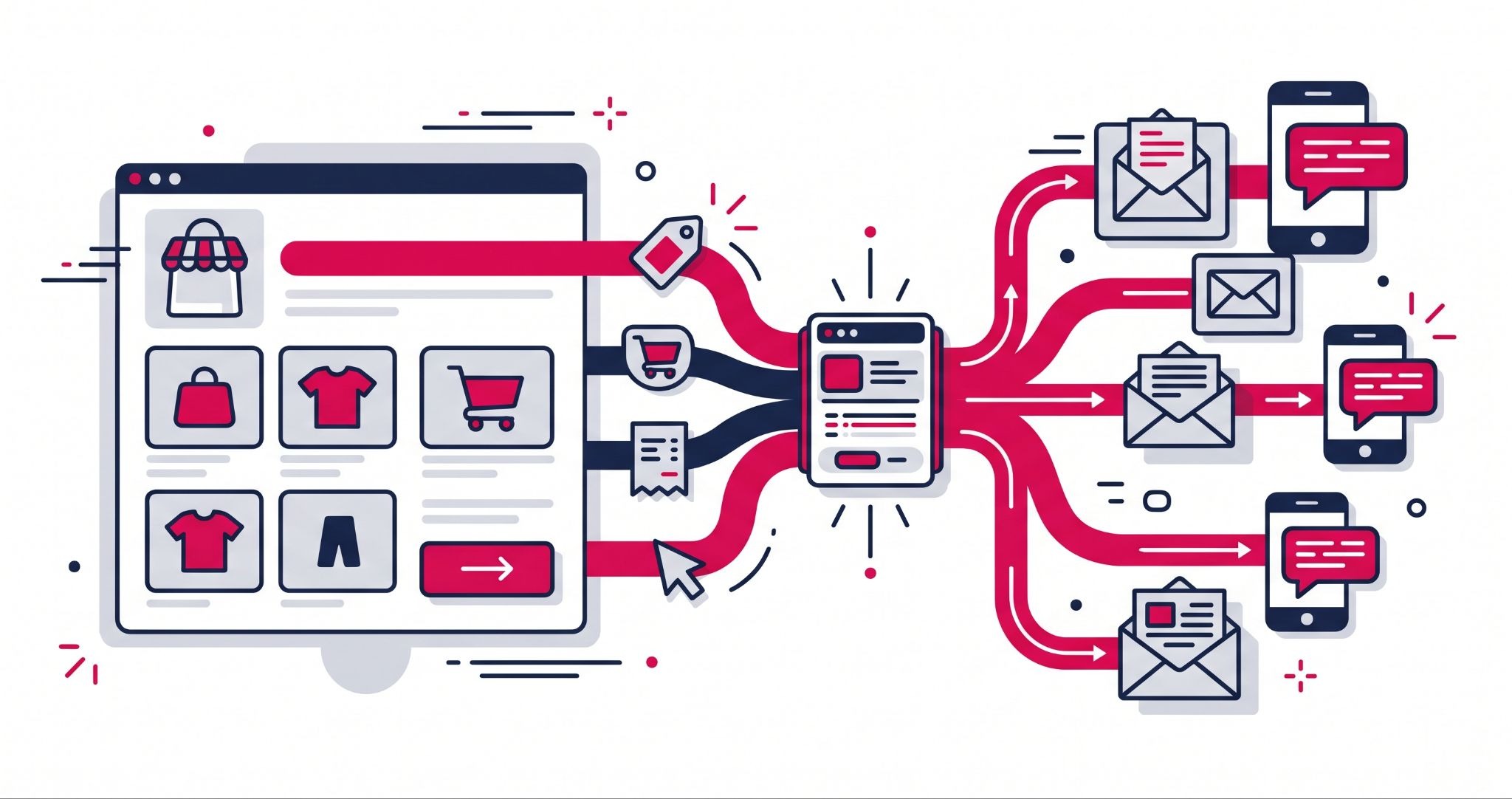
Klaviyo for Shopify connects your store to Klaviyo's email and SMS platform through a native integration. It syncs customers, orders, products and on-site behaviour, then uses that data to trigger automated flows, build segments and report on revenue per email. The result is messaging based on what each shopper browsed, bought or abandoned.
The difference from a basic newsletter tool is the data. Once connected, Klaviyo records events like Viewed Product, Started Checkout and Placed Order against each customer profile. That lets you follow up on the exact item someone left behind, instead of sending a generic sale email to your whole list.
It also changes how you segment. You can group customers by total spend, products purchased or how long since their last order, then speak to each group differently. A customer who has ordered four times needs a different message from someone who signed up yesterday.
Klaviyo or Shopify Messaging: which does your store need?
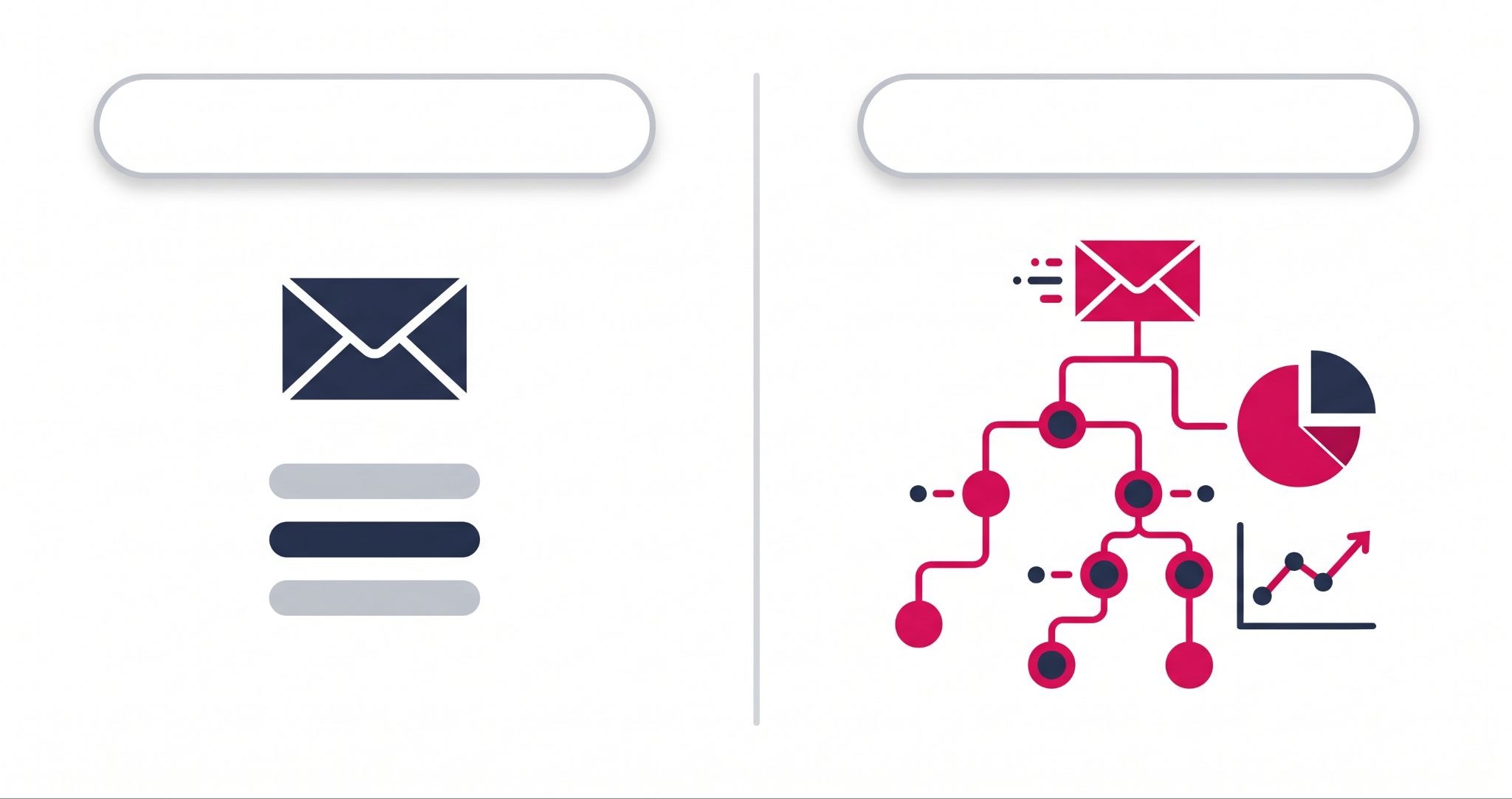
Shopify Messaging suits smaller stores that need simple campaigns and basic automations at low cost, with 10,000 free emails a month on eligible plans. Klaviyo for Shopify suits stores ready to segment by purchase behaviour, run multi-step flows and track revenue per message. Switching usually makes sense once email becomes a serious sales channel.
Shopify Messaging, previously called Shopify Email, is free to install. According to Shopify's Help Center, stores on the Basic, Grow, Advanced and Plus plans get 10,000 free emails each month, then pay US$1 per 1,000 extra emails. Unused emails don't carry over to the next month.
Klaviyo prices by active profiles, not by sends. The free plan covers up to 250 active profiles and 500 email sends a month. Paid email plans start at US$ 20 a month for 251 to 500 profiles and rise to US$ 30 for 501 to 1,000.
Shopify's extra email charges and Klaviyo's plans are both billed in US dollars, so your Australian dollar cost moves with the exchange rate. Build that into your budget before you commit to either one.
Here's the practical test: if you send two campaigns a month and rely on Shopify's default abandoned checkout email, Shopify Messaging is enough. Browse abandonment, product-specific post-purchase emails and win-back flows timed to each customer's last order are where Klaviyo earns its fee.
When HubSpot is the better fit
Klaviyo and Shopify Messaging both focus on ecommerce email. If your business also runs a sales team or customer service function, HubSpot is a third option — its Shopify integration brings customers, orders and products into a CRM so every team shares the same record. Our guide to HubSpot CRM integration covers how that connection works.
Five Klaviyo flows every Shopify store should build first
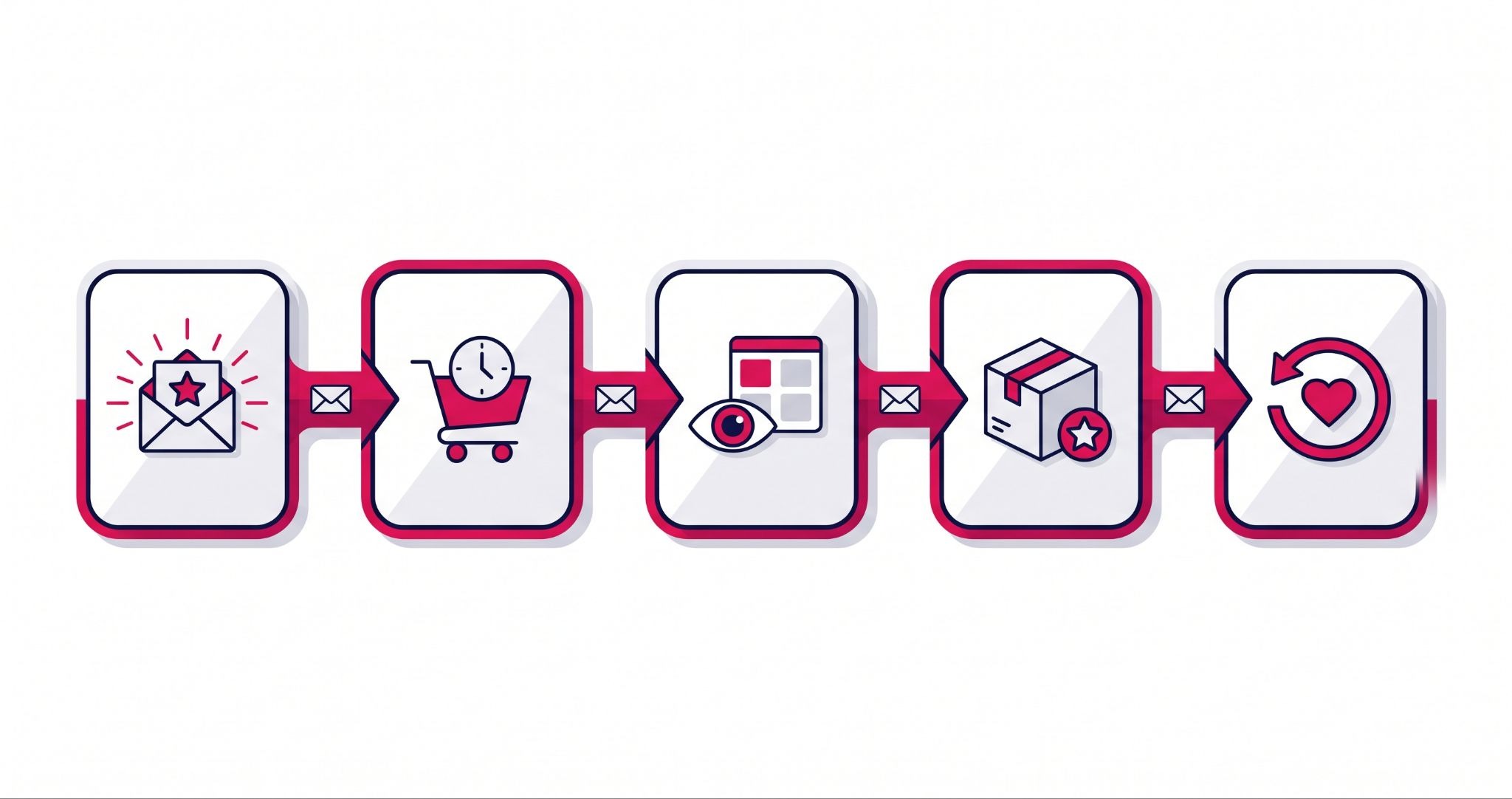
Flows are automated sequences that send when a shopper does something, or stops doing something. Build these five before you spend time on one-off campaigns:
- Welcome series: triggered when someone joins your list. Two or three emails introduce your brand, your bestsellers and any sign-up offer you promised on the form.
- Abandoned checkout: triggered by Started Checkout. Send the first reminder within a few hours, and turn off Shopify's own abandoned checkout email so customers don't get two.
- Browse abandonment: triggered when someone views a product but doesn't add it to their cart. One low-pressure email showing the product they looked at is usually enough.
- Post-purchase: triggered by Placed Order. Use it for care instructions, a review request after delivery and a relevant cross-sell, timed to your real shipping windows.
- Win-back: triggered by time since last order. Set the delay around how often your customers naturally reorder, not a generic 90 days.
Build them in that order. The first two reach shoppers who are already close to buying, so they're the quickest to show results.
Klaviyo for Shopify mistakes Australian stores should avoid
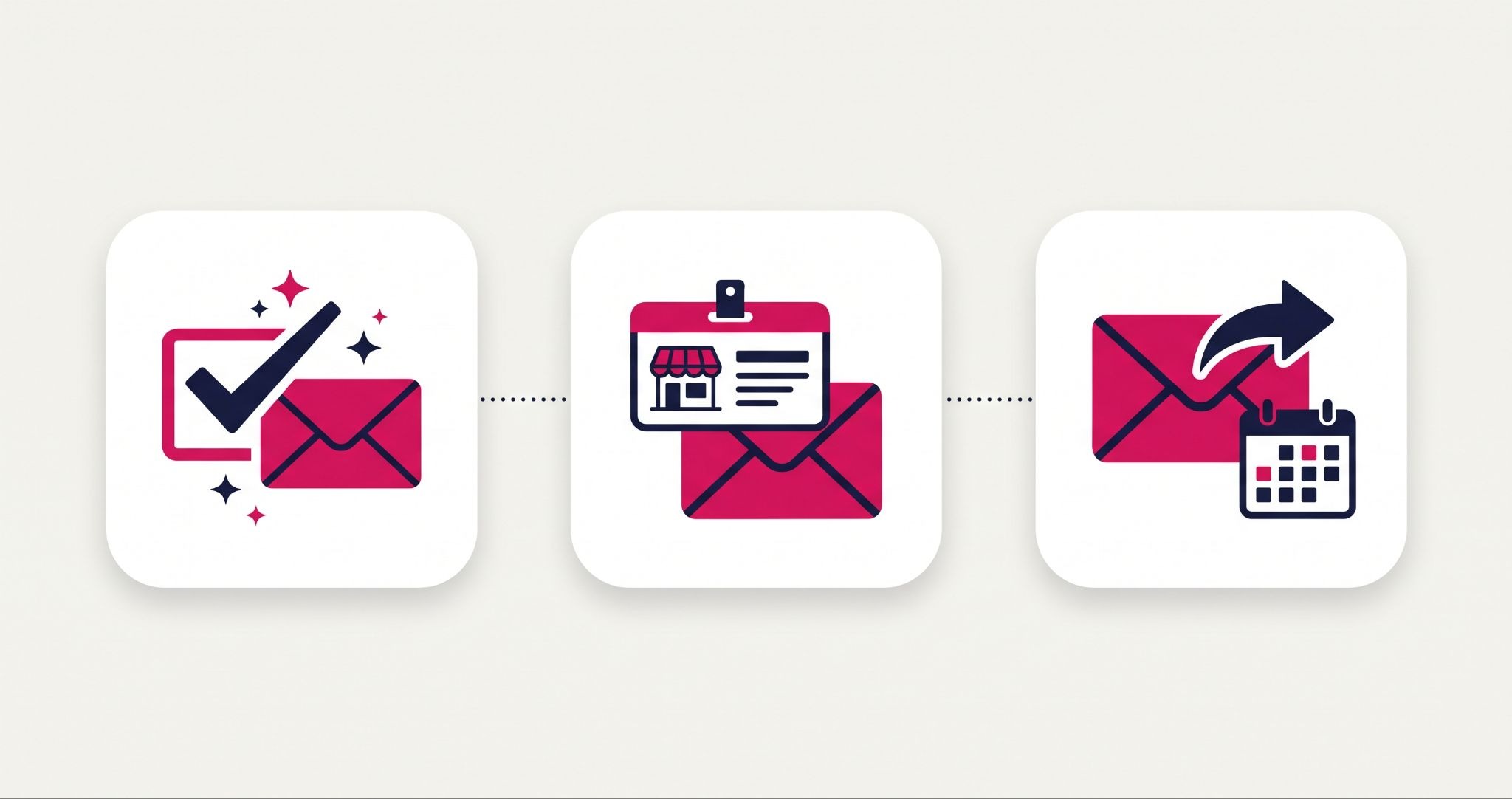
The most expensive mistake isn't technical. It's assuming Klaviyo handles your legal obligations for you.
Australia's Spam Act 2003 rests on three rules: consent, identify and unsubscribe. The ACMA's spam rules require consent before you send marketing emails, accurate business details in every message, and unsubscribe requests honoured within five working days. The burden of proving consent sits with you, so keep the consent source and date on every profile you import.
The second mistake is importing your entire customer history. Because Klaviyo bills on active profiles, years of unengaged contacts push up your monthly cost and drag down deliverability. Import recent, engaged customers first and suppress anyone who hasn't opened or clicked in a long time.
The third is judging flows on open rates. Apple's Mail Privacy Protection can register opens that never happened, which makes subject line tests unreliable. Measure clicks, placed orders and revenue per recipient instead.
How IBF helps Shopify stores get more from their email
Opening a Klaviyo account takes minutes. Getting clean data, compliant consent and flows that suit your margins takes planning, and that work starts with how your Shopify store is built.
IBF's Shopify development services cover the store side of the setup. That includes sign-up form placement, a product and collection structure that gives your email platform clean catalogue data, and integrations that are tested before anything goes live. Flows are only as accurate as the events behind them, so this groundwork decides whether your automations fire correctly.
If you already run Klaviyo, start with a quick check of your own setup. Look at which flows are live, whether Shopify's default emails are doubling up and whether unengaged profiles are inflating your bill. Those three answers usually show where the easiest gains are.
Frequently asked questions about Klaviyo for Shopify
Is Klaviyo free for Shopify stores?
Klaviyo has a free plan that covers up to 250 active profiles and 500 email sends a month. Once your list grows past that, paid email plans start at US$20 a month for 251 to 500 profiles and rise to US$30 for 501 to 1,000. Pricing is based on active profiles and billed in US dollars, so Australian stores should allow for exchange rate changes when budgeting.
How do I connect Klaviyo to my Shopify store?
You connect Klaviyo through its native Shopify integration, which links your store and starts syncing customers, orders and products. During setup you choose whether to sync existing email subscribers and turn on onsite tracking, which records browsing events such as viewed products. Test a sample order afterwards to confirm events are reaching Klaviyo before you build any flows.
Should I turn off Shopify's abandoned checkout email if I use Klaviyo?
Yes. If both tools send abandoned checkout reminders, customers receive duplicate emails for the same cart, which looks careless and can increase unsubscribes. Turn off Shopify's built-in reminder once your Klaviyo flow is live and tested - Klaviyo's version also supports product images, multiple reminders and messages based on cart value.
Does Klaviyo for Shopify comply with Australian spam laws?
Klaviyo gives you the tools to comply, but legal responsibility sits with your business. Australia's Spam Act 2003 requires consent before marketing emails, sender identification in every message and unsubscribes honoured within five working days. Keep records of how and when each subscriber opted in, because the burden of proving consent is on the sender.
When should a Shopify store move from Shopify Messaging to Klaviyo?
Move to Klaviyo when you need more than simple campaigns and basic automations. Typical signs include wanting browse abandonment, product-specific post-purchase sequences, segments based on spend or order history, and revenue reporting for each flow. Smaller stores sending a few campaigns a month can usually stay on Shopify Messaging, which includes 10,000 free emails monthly on eligible plans.
Make your Shopify store ready for Klaviyo
A Klaviyo setup that sells starts with a Shopify store that captures clean data, compliant consent and the right customer signals. IBF's Shopify development team builds and optimises Shopify stores for Australian ecommerce businesses that want email to pull its weight. Talk to the IBF Shopify team about getting your store's data ready for automated email.