HubSpot for Startups has a special discount program built for new businesses. It provides affordable access to enterprise-level sales, marketing, and support tools for newly formed start-ups. Most start-ups do not fail because the idea is bad.
They fail because their leads, deals, or customer info live in 5 different apps that don't talk to each other.
This guide explains what HubSpot for Startups offers you, the pricing and T&Cs, and how HubSpot transforms your CRMs. This way, you can choose what fits best for your business at this particular moment in time.
What HubSpot for Startups Actually Includes
Most startups use a CRM, an email tool, a form tool, and a chart tool. None of these shares information well. HubSpot is one AI-powered CRM for startups that swaps all of that for one connected app. It covers your contacts, emails, sales deals, and reports.
The special part of this HubSpot for Startups program is that it gives new businesses a lower price on HubSpot's paid plans. It also gives you help getting started, made for founders who don't have a big team yet. You can start with the free tools. Then you move up to paid plans, like Marketing, Sales, or Service, only when your business really needs them.
This setup matters a lot. The tools a five-person startup needs are different from those of a 200-person sales team. For HubSpot plans, you only pay for what you use this year. All the tools also share the same contact record. Thus, when the lead visits a website, opens an email, or makes a phone call, it all appears in one place.
How Does HubSpot Pricing Work for Startups?
HubSpot for startups pricing works on a tiered model: core CRM tools are free forever, while paid Hubs scale up as you add contacts, users, and automation. Startups backed by an eligible accelerator, incubator, or VC firm can get up to 90% off paid plans in their first year, cutting setup costs to a startup-sized budget.
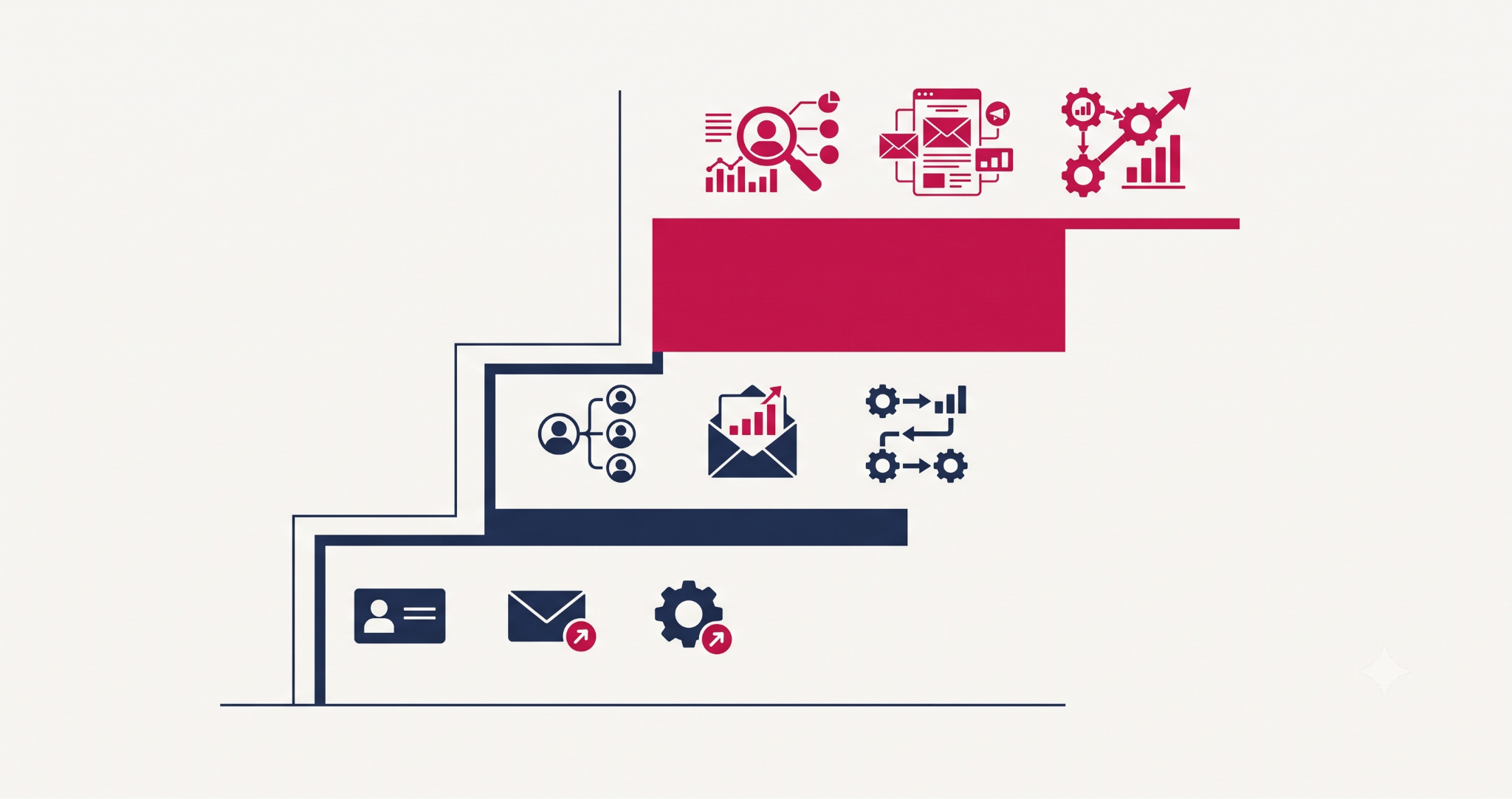
The free plan already includes additional functionality for live chat, up to 2,000 marketing emails a month, a basic CRM in addition to basic forms and landing pages (besides that discount). This is enough for most new businesses to run real campaigns before spending a dime.
Once you outgrow the free plan, you add single tools, not an entire platform. Which means that a startup focused on sales can purchase only the Sales tool. Then, a little later, when you have something to automate, you can pull in the Marketing tool as well.
Now compare that to buying a separate CRM, a separate email tool, and a separate report tool. Those "cheaper" tools often cost more in the end, once you count all the time lost trying to make them work together.
How HubSpot compares to other CRM systems for startups
Salesforce and Zoho both offer genuinely powerful CRM features, and for a 100-person sales team with a dedicated admin, that power is worth the complexity. For a five-person startup, it usually isn't.
Salesforce's main benefit is that you can customise almost anything about the platform. Still, you'll almost always have to pay someone just to get it properly configured. Zoho is cheap initially, but its different tools are less integrated, and support can be slow when something breaks during a campaign.
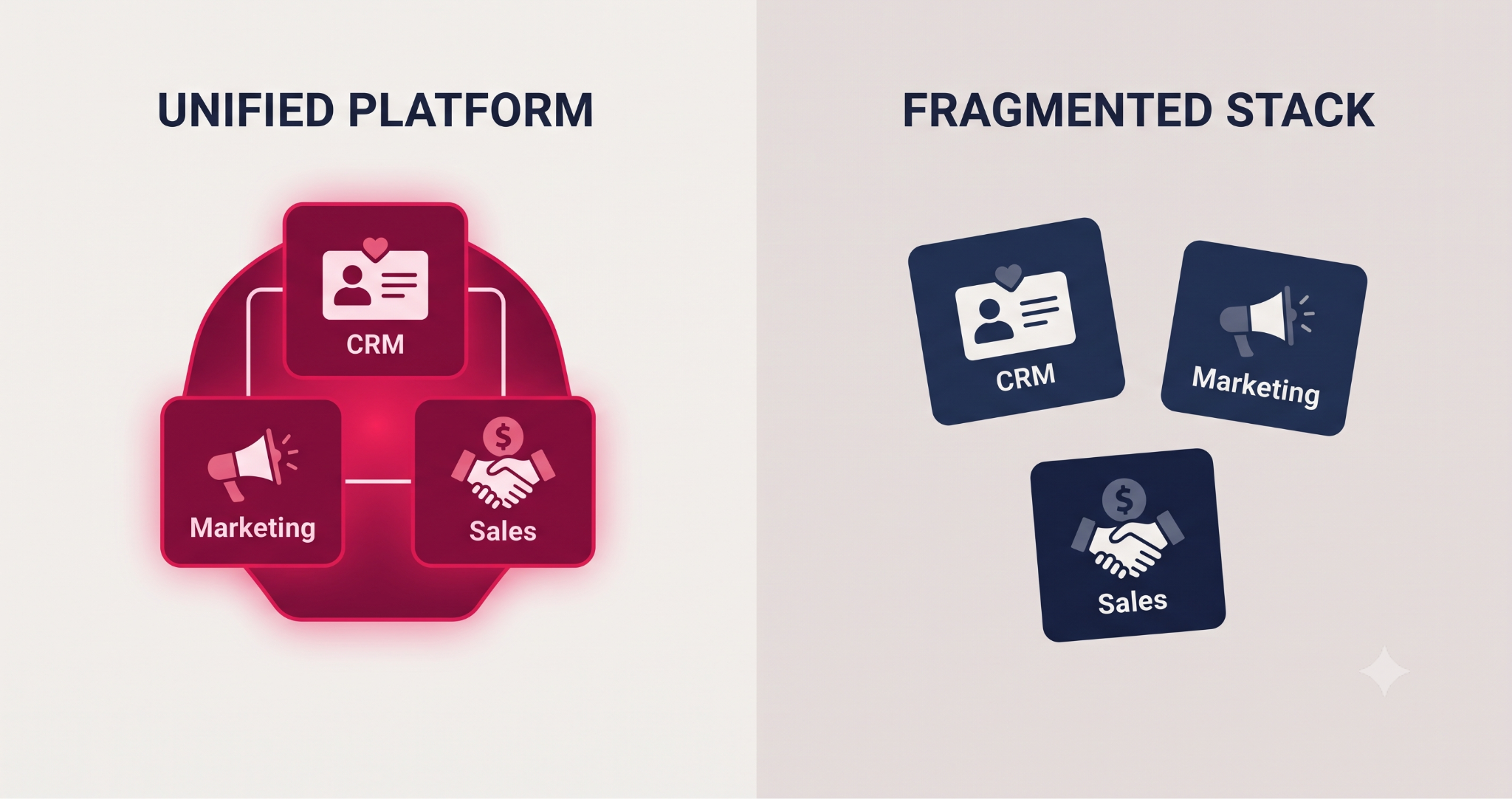
HubSpot's edge for startups is that its CRM, marketing tools, and reports are all built by one team and designed to work together from day one. They aren't stuck together from old, separate companies. Founders and new marketing hires can get a campaign running in days, not weeks, with no developer needed.
HubSpot for businesses also connects to tools startups already use, like Gmail, Slack, Stripe, Zoom, and Zapier. These are built-in, not clunky workarounds.
Marketing and sales automation that saves startup teams time
Startups have very little spare time. That's exactly what HubSpot's automation is built to protect.
On the marketing side, you can build workflows that send the right email based on what a person actually does. Maybe they downloaded a guide, visited your pricing page, or went quiet for 30 days. Everyone gets a different message, not the same one. You can also plan social posts for LinkedIn, Instagram, Facebook, and X from one dashboard, instead of logging into five apps.
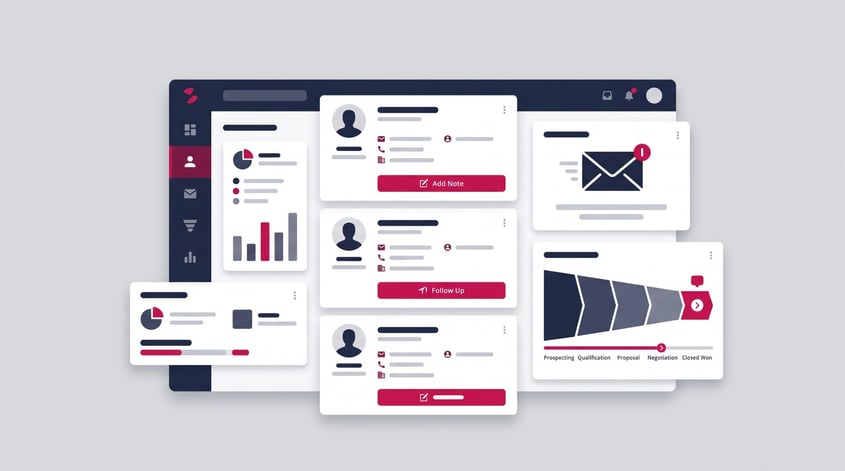
With the sales department, deals go through a visual pipeline that you can view in its entirety. You receive a prompt when a deal goes quiet. Lead scoring tells you how many contacts to call today. With live reports, you can see which channels drive traffic that converts to sales, so you can direct your budget toward what yields favourable results.
Healthcare booking platform Doctify and cloud call service Aircall both used HubSpot for Startups tools like this to line up their sales and marketing teams as they grew into new markets. Australian businesses using automation like this report a 30 to 40% drop in manual follow-up time in their first 90 days.
How IBF helps Australian startups implement and scale on HubSpot
Signing up for HubSpot is the easy part. Setting it up so your team actually uses it, with the right pipelines, workflows, and reports for your business, is where most startups get stuck.
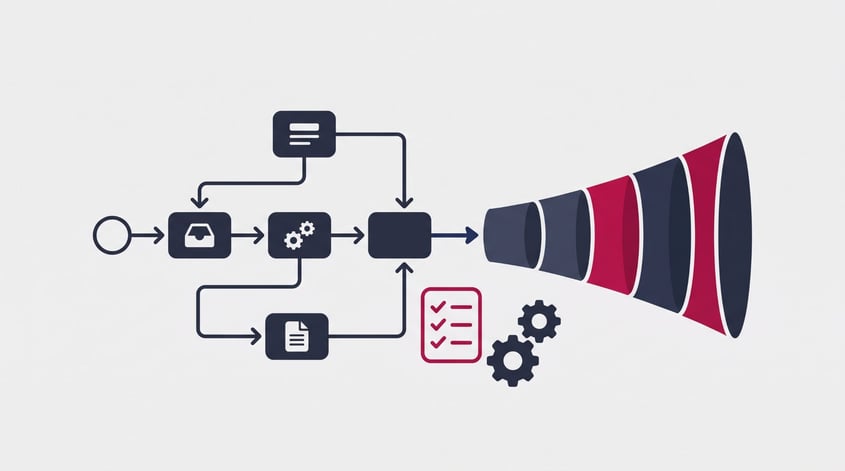
That's the gap IBF's HubSpot implementation services can close for Australian startups. Instead of leaving you to build everything alone, IBF's team first learns how your sales and marketing work. Then they build your HubSpot setup around that. Nothing gets built twice, and nothing sits unused six months later.
As a certified HubSpot Platinum Partner in Australia, IBF also helps startups pick the right tools for their stage. That way, you're not paying for big automation before you have the team or steps to use it.
Frequently Asked Questions About HubSpot for Startups
Q: What is HubSpot for Startups?
A: HubSpot for Startups is a discount programme that gives eligible early-stage businesses reduced-cost access to HubSpot's CRM, Marketing Hub, Sales Hub, and Service Hub. Eligibility usually depends on being part of a recognised accelerator, incubator, or VC portfolio. Discounts can reach up to 90% off in the first year, dropping to smaller ongoing discounts after that, which makes enterprise-grade tools affordable for a business still finding its footing.
Q: Is HubSpot worth it for a small startup team?
A: Yes, for the majority of small teams, as HubSpot's free tier already provides a working CRM along with live chat, forms, and 2,000 marketing emails per month. Before spending a dime, you can run real campaigns with a three- or four-person team. Only once you want automated processes, customised reporting, or 5+ team seats does it become a matter of cost.
Q: How much does HubSpot cost without the startup discount?
A: HubSpot pricing is based on which Hubs you want and how many contacts & users you have. Paid plans start at about $20 AUD per user per month, or as low as $7 to $10 AUD during promotional periods, scaling up depending on which Hub and billing cycle you select.
Q: Can I switch to HubSpot from another CRM without losing my data?
A: Yes. HubSpot allows you to import contacts, deals, and email history from all common CRMs and spreadsheets, and its internal import tools will alert users of duplicate or incomplete records in the process. A HubSpot implementation partner usually comes in to guide a migration here, as larger or messier datasets will be better off with this guided support so that nothing gets mismatched.
Q: Do I need a developer to set up HubSpot for my startup?
A: No. HubSpot is built for non-technical founders to use directly, with drag-and-drop forms, email templates, and workflow builders that don't require code. That said, getting the CRM structure, pipelines, and automation set up correctly from the start still benefits from an experienced HubSpot partner, especially if you want it done once and done properly.
Wrapping Up
Getting the most out of HubSpot starts with the right implementation partner, not just the right tool. IBF is a HubSpot Platinum Partner helping Australian startups implement, integrate, and scale on HubSpot every day. Book a free strategy call and let's talk about what HubSpot can do for your business.